



Why TPM implementations often fail

TPM is not a maintenance project
One of the most common misconceptions is that TPM is regarded as an initiative of the maintenance department. In reality, it is an organisation-wide approach that requires the involvement of operations, maintenance, engineering and management. When TPM is driven solely by maintenance, ownership on the shop floor often remains limited.
Too much focus on tools
Many organisations start enthusiastically with 5S audits, inspection routines, OEE boards or Autonomous Maintenance activities. These tools are certainly valuable, but they form only a small part of TPM.
When the focus is solely on such tools (without clear objectives, governance or priorities), TPM is quickly seen as extra work rather than as a way to tackle day-to-day problems in a structured manner.
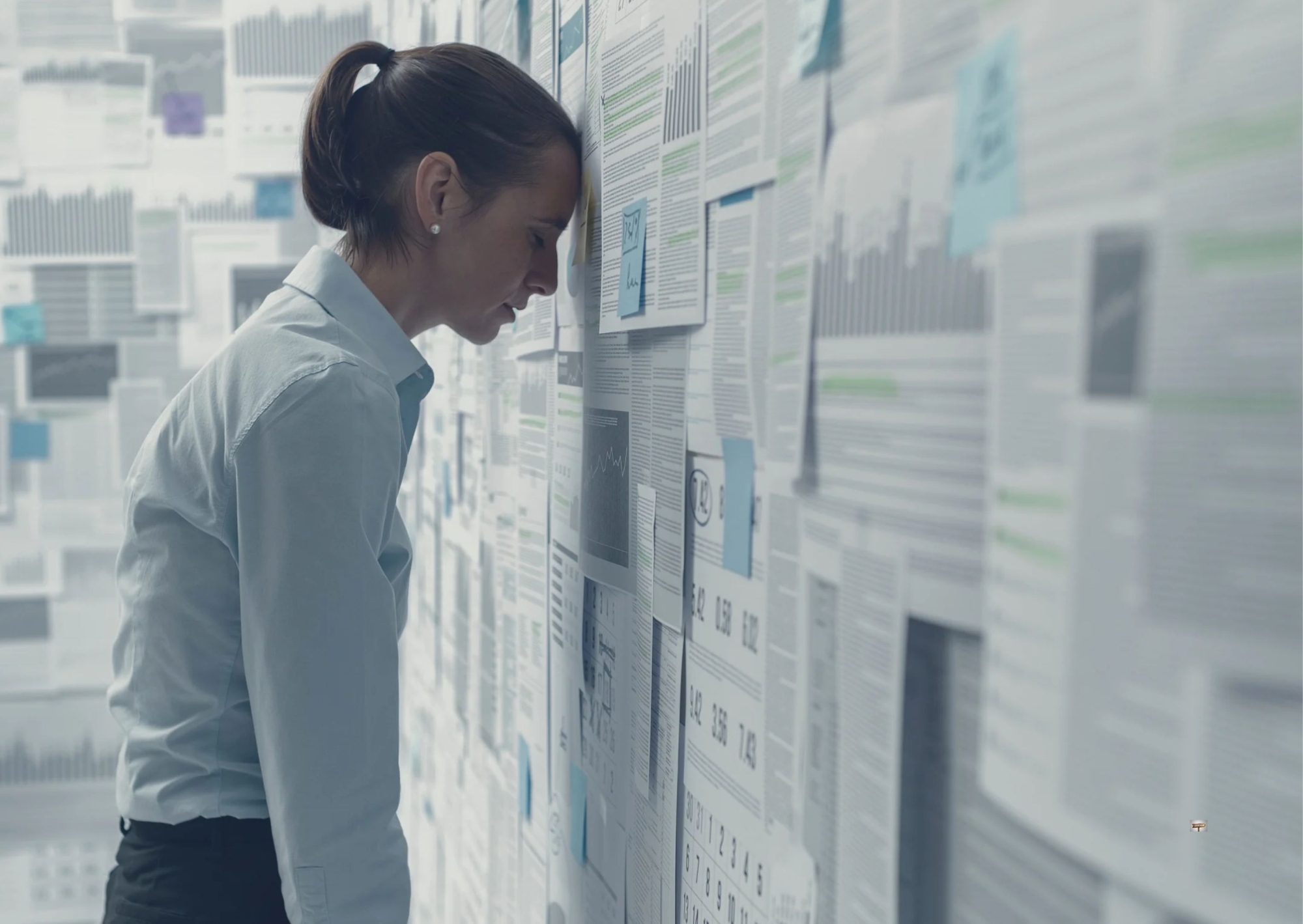
No visible results and insufficient follow-up
Organisations that seek to transform an entire plant immediately often create unrealistic expectations. TPM is a long-term process, but teams do need tangible successes along the way.
Successful programmes are therefore best started with a clearly defined pilot area, making improvements visible whilst linking the proposed initiatives to clear business objectives. Leadership and follow-up then determine whether TPM remains merely a project or truly becomes a way of working.
A question to ponder
Is TPM seen in your organisation as a collection of maintenance tools, or as a collaborative approach to systematically improving reliability and performance?
Want to know more about this?
Sign up for our Maintenance Excellence course.
Contact us so we can work on solutions together.

Stanwick. Drive for results
Stanwick offers result-oriented coaching programmes on operational excellence, project excellence and supply chain excellence with a focus on people, organisations and processes. We perform thorough assessments, develop clear roadmaps and implement and anchor improvements to guarantee sustainable results.
Our Stanwick Academy organises extensive training courses in which you learn together with a like-minded community about project management, continuous improvement, data-driven organisations, leadership and change management.